Land Acquisition
Identifying, evaluating, and securing land with clarity, discipline, and long-term vision.
Land acquisition is not simply about purchasing a parcel—it is about understanding what the land makes possible. Whether for development, investment, or future use, the value of land is determined by zoning, location, access, utilities, and market conditions. A strategic approach ensures that every acquisition aligns with financial objectives, regulatory realities, and long-term potential.
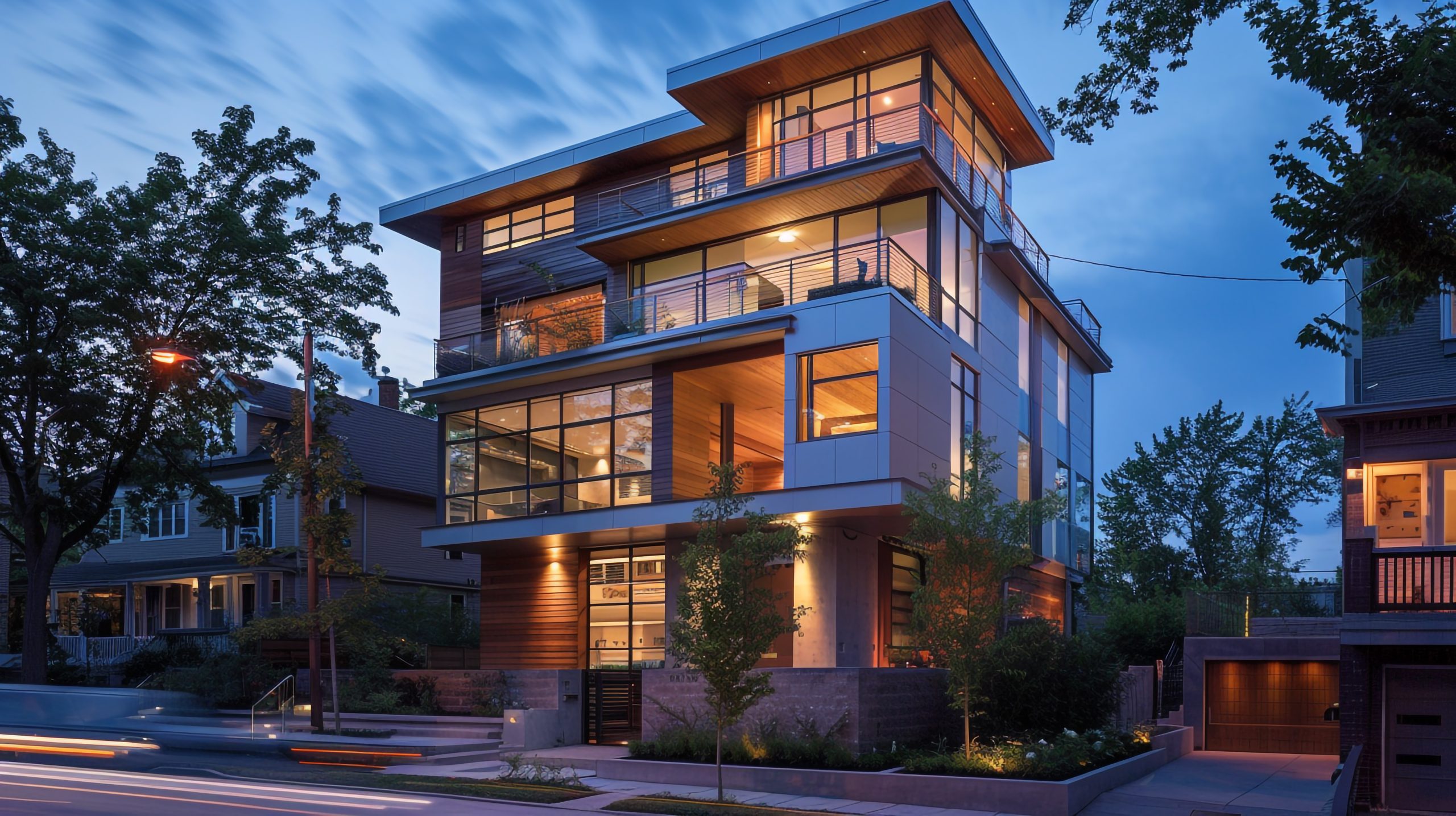
A Purpose-Driven Approach
Successful land acquisition begins with clarity. Before any search starts, objectives are defined: intended use, timeline, budget, and return expectations. These factors shape every decision that follows—from site selection to negotiation strategy.
This disciplined approach avoids reactive purchases and ensures land is acquired with purpose rather than speculation.
Land Requires Early Perspective
Land acquisition differs from residential transactions in one important way: the most consequential decisions occur before a property is ever marketed or improved.
Zoning, access, utilities, environmental considerations, timing, and long-term use all shape value—often before price or opportunity is fully visible. Entering this process with clarity reduces risk and allows decisions to be made deliberately rather than reactively.
Market & Site Evaluation
Not all land is created equal. Each property must be evaluated on both visible and unseen factors.
This includes:
-
Zoning and allowable uses
-
Environmental conditions
-
Access and infrastructure
-
Utility availability
-
Surrounding development trends
-
Market demand and absorption
Through this process, opportunities are separated from liabilities—so land is acquired based on what it can become, not just what it is today.
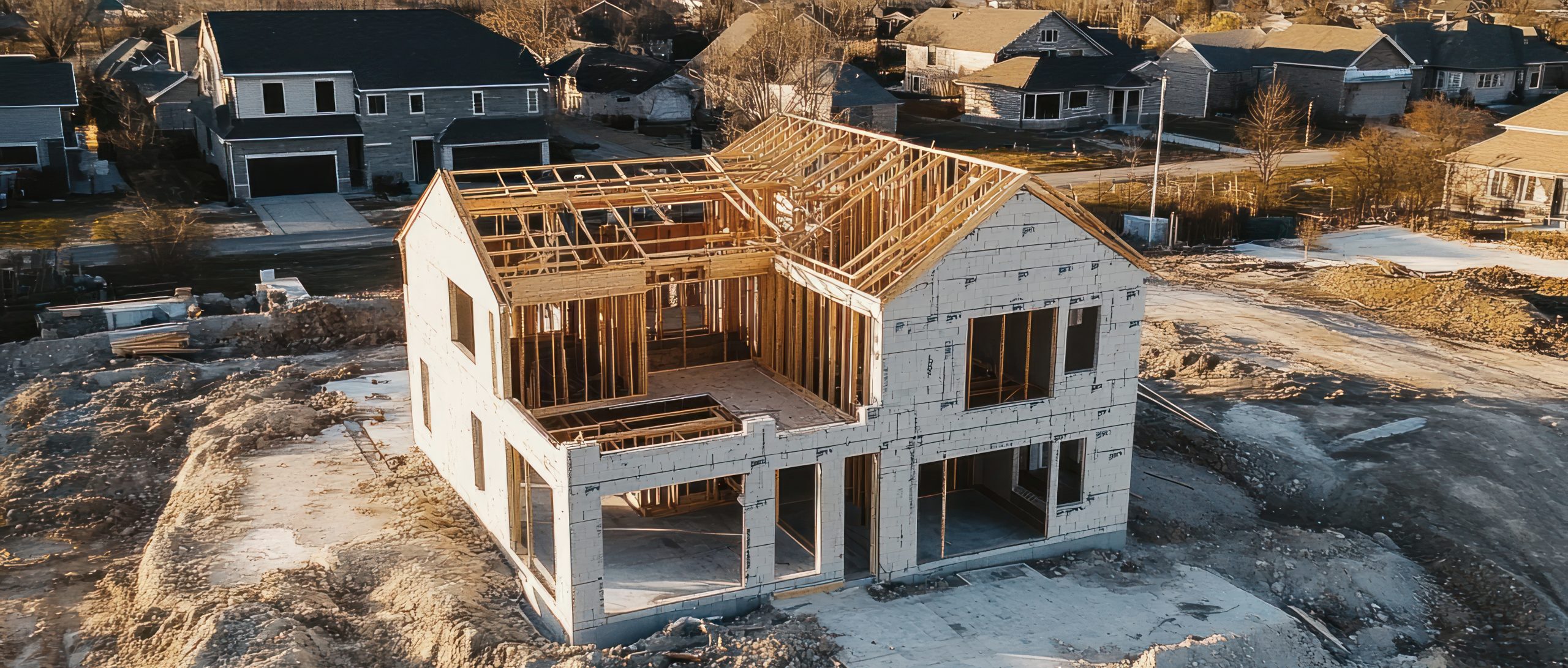
Due Diligence & Feasibility
Before a property is secured, it must be understood.
Due diligence evaluates:
-
Title and legal constraints
-
Wetlands, critical areas, and topography
-
Permitting complexity
-
Development costs and timelines
-
Risk exposure
This phase ensures that assumptions are replaced with verified data, allowing decisions to be made with confidence and clarity.
The Acquisition Process—At a Glance
Land acquisition follows a deliberate sequence:
-
Define objectives
-
Identify suitable parcels
-
Analyze zoning and feasibility
-
Conduct due diligence
-
Structure the offer
-
Negotiate terms
-
Secure approvals
-
Close and transition
Each step is designed to reduce risk, protect capital, and position the land for its highest potential use.
Pricing & Offer Strategy
Land is not priced the same way as homes. Its value is shaped by what can be built, how quickly it can be built, and what that finished product will command in the market.
Offer strategies are built around:
-
Entitlement potential
-
Development costs
-
Market demand
-
Risk and timeline
This ensures the purchase price supports long-term profitability rather than eroding it.
Negotiation & Contract Structure
Land transactions often involve more complexity than traditional real estate. Contracts may include:
-
Feasibility periods
-
Permitting contingencies
-
Access and utility agreements
-
Seller cooperation provisions
Negotiation is not just about price—it is about structuring terms that protect the buyer while allowing the project to move forward efficiently.
From Contract to Closing
Once under contract, the focus shifts to execution:
-
Finalizing studies
-
Securing approvals
-
Confirming development feasibility
-
Clearing title and legal conditions
This phase ensures that when the property closes, it does so as a fully vetted and strategically positioned asset.
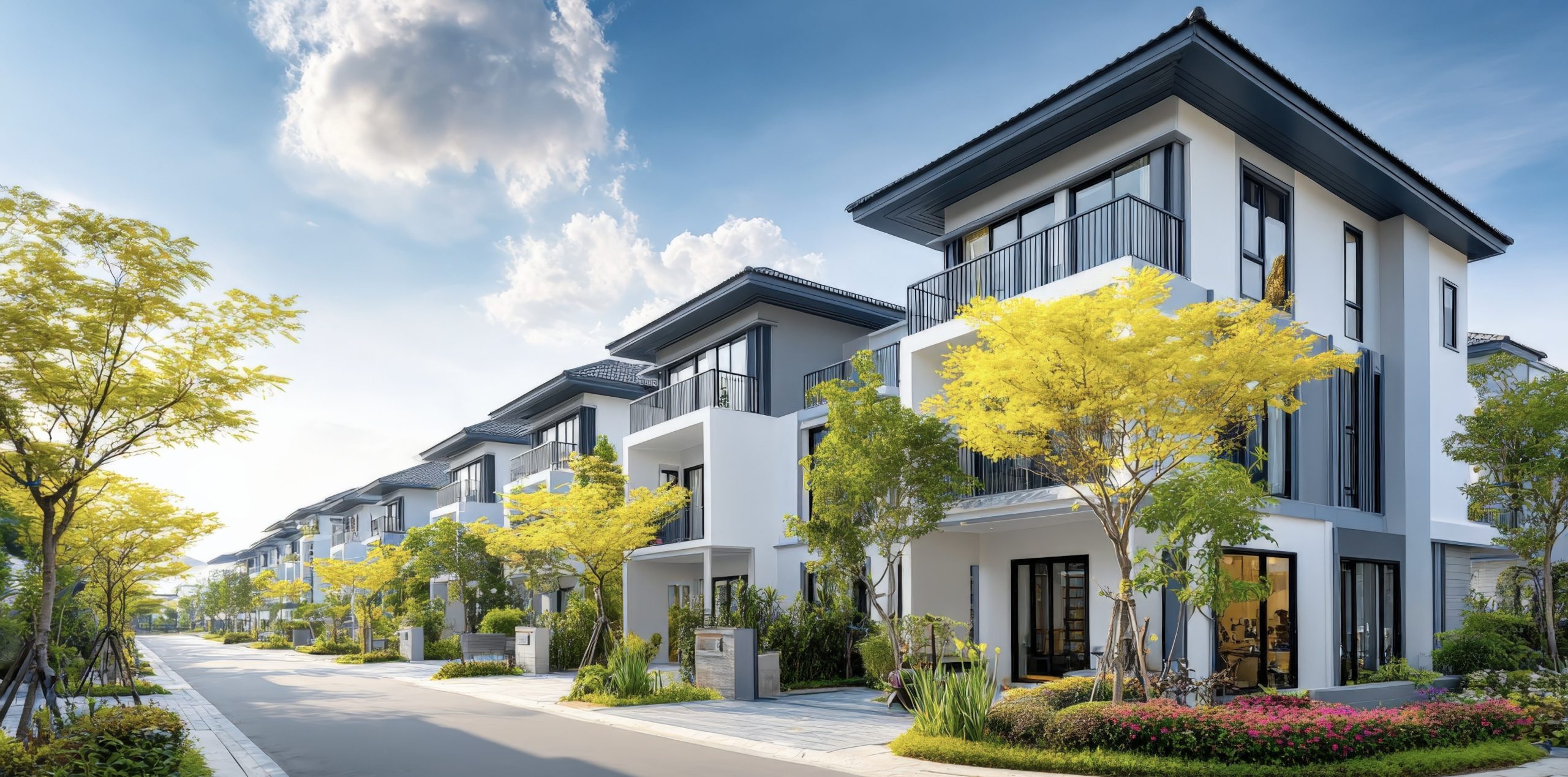
Acquiring Land with Confidence
The most successful land investments are not made through guesswork—they are built through preparation, analysis, and disciplined execution.
When land is acquired with clarity, it becomes more than a purchase. It becomes the foundation for what comes next.
Begin a Land Acquisition Conversation
A confidential conversation to evaluate land, feasibility, and next steps.

Brian Phillip | Windermere Real Estate
Phone: 425-492-4261 | Email: brian.phillip@windermere.com
© 2026 Windermere Real Estate/GH LLC